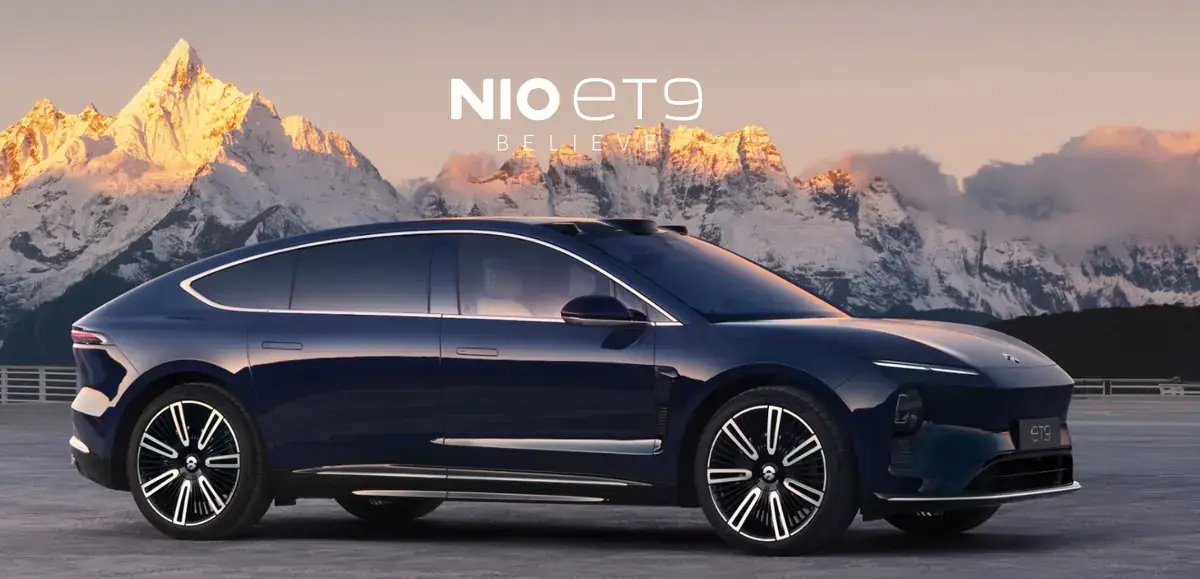
What vehicles in the US are using solid state batteries right now?
If you are asking which U.S. vehicles use solid-state batteries, the reviewed answer on August 13, 2026 is still cautious: no mass-produced customer vehicle sold in the U.S. is confirmed here as using a true all-solid-state battery. The table below separates retail availability, demonstration fleets and prototypes so a press milestone is not mistaken for a purchasable model.
That does not mean nothing is happening. It means the public market still splits into two separate buckets: prototype programs that show where solid-state development is heading, and semi-solid or quasi-solid battery vehicles that are already closer to commercial reality. If you need the terminology baseline first, read our solid state battery meaning guide before you compare vehicle claims.
- US retail vehicles with true all-solid-state packs: none confirmed in regular sale
- US-market-relevant solid-state activity: prototype testing and demonstration programs
- Current commercial bridge: semi-solid battery programs rather than full all-solid-state retail launches
Which solid state battery vehicles are the real public prototypes?
The strongest public all-solid-state prototype example is the Mercedes-Benz EQS solid-state test car. Mercedes-Benz said road tests began in February 2025 after integrating a lithium-metal solid-state battery into a modified EQS. Later, the company reported a 1,205 km demonstration drive in September 2025. That is important proof of technical progress, but it is still a validation vehicle, not a retail US product.
For the US market specifically, Stellantis and Factorial remain one of the most relevant partnerships. Stellantis said it plans a demonstration fleet of Dodge Charger Daytona vehicles by 2026 using Factorial solid-state batteries. Again, that is a demo-fleet milestone, not the same thing as broad customer availability.
Toyota still matters because it remains one of the most cited commercial timelines in this space. In its official cooperation announcement with Idemitsu, Toyota said it aims to start producing solid-state batteries for battery electric vehicles between 2027 and 2028. That makes Toyota a timeline reference, not proof that US buyers can already order a solid-state EV.
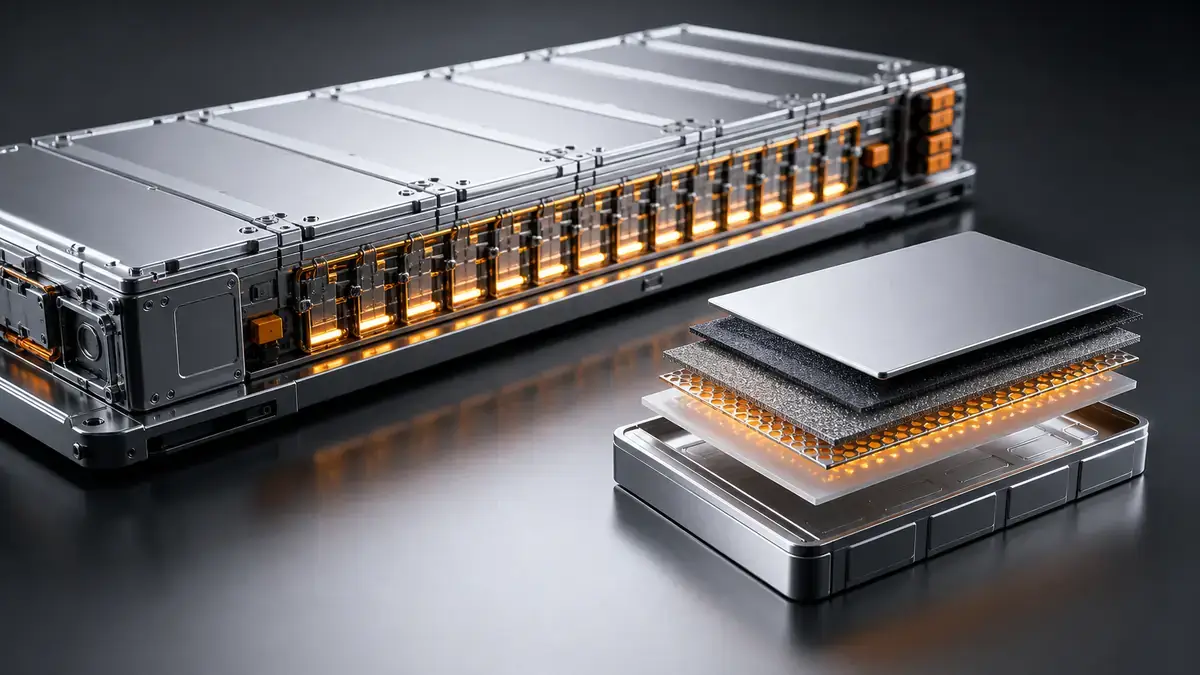
Verified vehicle comparison: US prototype programs vs China semi-solid launches
The image prompt pointed toward a useful comparison, but it also showed why this topic needs verification. Many vehicle claims mix together true all-solid-state, semi-solid, quasi-solid, and future testing programs. The table below keeps only examples that can be tied to official OEM, government, or strong industry-primary evidence.
| Model | Market | Battery wording used by source | Battery size | Range metric | Delivery status | Article takeaway |
|---|---|---|---|---|---|---|
| Mercedes-Benz EQS test car | US-relevant prototype benchmark | Lithium-metal solid-state battery | Not publicly disclosed | 1,205 km demo drive in 2025 | Road-test prototype | Strong all-solid-state validation signal, but not a customer vehicle |
| Dodge Charger Daytona demo fleet | United States | Solid-state batteries via Factorial partnership | Not publicly disclosed | Not publicly disclosed | Demonstration fleet planned by 2026 | Important US-linked program, but still not retail sale |
| NIO ET7 | China | 150 kWh ultra-long-range battery pack tied to the 150 kWh battery system | 150 kWh | Over 1,000 km real-life challenge and 1,050 km CLTC ecosystem figure | Delivered in China | A leading commercial example of the semi-solid or quasi-solid bridge path |
| IM L6 | China | Technically a semi-solid-state battery according to major industry coverage | 130 kWh | 1,000 km CLTC claim | Launched in China | Shows China is willing to commercialize semi-solid battery messaging faster than the US |
Rows from the original image that could not be verified cleanly enough for battery type and market status were left out on purpose.
Which Chinese EVs have verified semi-solid or quasi-solid battery claims?
China is where this story becomes more commercial and less theoretical. The clearest verified example is the NIO ET7, which is publicly tied to NIO's 150 kWh ultra-long-range battery pack. NIO says the ET7 has achieved over 1,000 kilometers in a real-life range challenge, and the company's Full Stack technology page says the 150 kWh battery pack reaches 360 Wh/kg cell energy density.
That does not automatically make the ET7 a true all-solid-state production car. The more accurate takeaway is that China already has public vehicle programs commercializing the semi-solid or quasi-solid bridge category while much of the US discussion is still focused on prototype milestones.
The second example that survives a stricter verification screen is the IM L6. Strong industry-primary reporting, including China Daily, described the L6 battery as technically semi-solid rather than fully solid. That distinction matters because a lot of public coverage still uses "solid-state" as shorthand even when liquid electrolyte has not fully disappeared.
The screenshot also mentioned other Chinese models and programs. Some of those claims may turn out to be valid later, but the battery wording or sales status was not clean enough to survive a strict evidence screen for this article. That is exactly why buyers should separate marketed solid-state language from verified battery architecture.
China vs the US: who has the advantage in this technology?
China has the advantage in near-term commercialization. According to the IEA Global EV Outlook 2025 battery analysis, China was responsible for about 80% of global battery cell production in 2024 and roughly 85% of global manufacturing capacity. That scale matters because advanced battery technology rarely wins through chemistry alone. It wins through manufacturing speed, supply-chain integration, validation capacity, and the willingness to put new packs into real vehicles.
The US still has serious advantages, but they are different. The US Department of Energy battery program highlights a deep research ecosystem around advanced battery development, system analysis, and testing. The US market also has strong startup and OEM partnerships around lithium-metal and solid-state chemistries, including Factorial, Toyota-linked programs, and a broader validation environment that is cautious about moving from lab claims to retail liability.
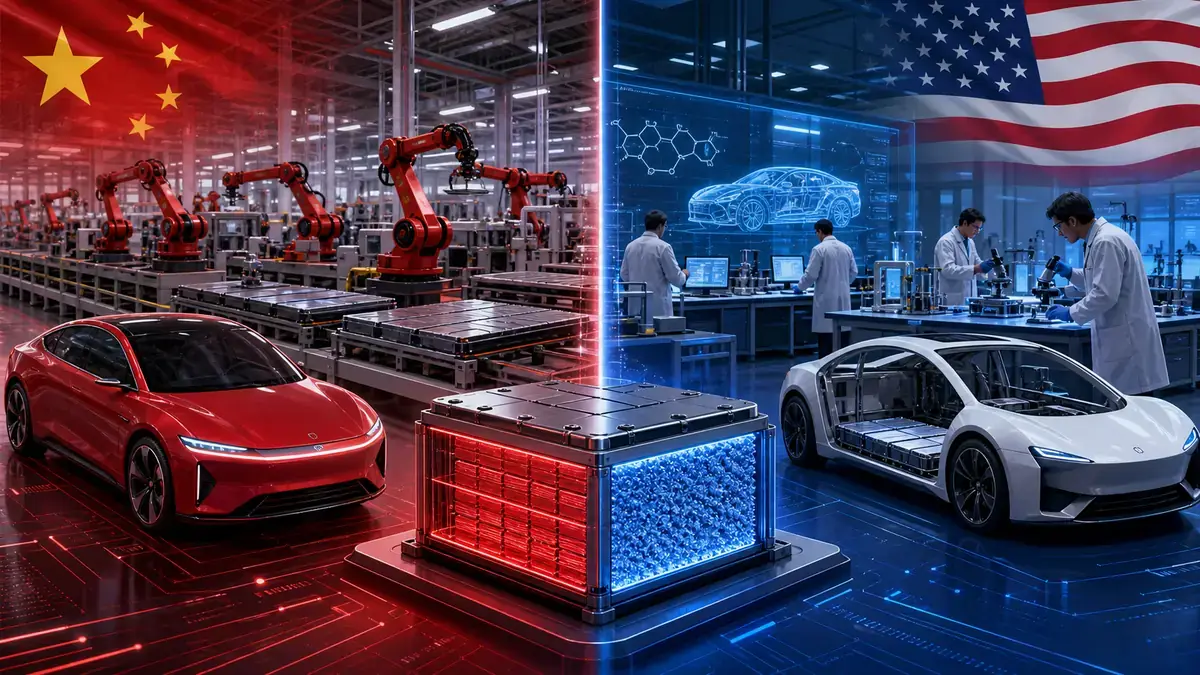
- China advantage: battery scale, faster commercialization, more EV model variety, stronger supply-chain integration
- China advantage: willingness to deploy semi-solid bridge products before true all-solid-state matures
- US advantage: research depth, premium prototype validation, strong startup and OEM partnership pipeline
- US weakness today: fewer real vehicles on sale using next-generation battery architectures
What this means for EV buyers in the US
For US buyers, the practical takeaway is not to wait for a showroom full of solid-state EVs in 2026, because that showroom does not exist yet. The better question is which next-generation battery improvements are already becoming real in safety, packaging, charging, and energy density, even before full all-solid-state retail vehicles arrive.
That is why the semi-solid bridge matters. Buyers comparing future programs should ask whether a battery claim is attached to a delivered vehicle, what the actual battery architecture is, and whether the range figure comes from CLTC, WLTP, EPA, or a one-off demonstration route. If you want to compare current supply-side options, our semi solid battery product page is the more useful next step than another headline about a lab breakthrough.
Why semi-solid batteries matter before full solid-state arrives
Semi-solid batteries matter because they give the market a bridge between today's lithium-ion manufacturing base and tomorrow's all-solid-state ambitions. In other words, they are the part of the story that can move from test bench to vehicle program faster.
For manufacturers and sourcing teams, that bridge is not a compromise in the negative sense. It is the commercialization layer. It is where better safety, stronger energy density, and real export-ready production can start showing up before the full solid-state timeline catches up. If you are evaluating the difference between concept and procurement, start with our semi-solid battery technology overview and then compare it against what current vehicles are actually shipping.
FAQs
Are any US cars sold today using true solid-state batteries?
No. In the August 13, 2026 review, no mass-produced U.S. retail vehicle is confirmed to use a true all-solid-state battery; the underlying public program dates are listed in the comparison table.
Which prototype vehicles are testing solid-state packs?
The best-known public examples are the Mercedes-Benz EQS solid-state test car and the planned Stellantis and Factorial Dodge Charger Daytona demonstration fleet.
Is NIO ET7 using a full solid-state battery?
It is more accurate to treat the NIO ET7 as part of the semi-solid or quasi-solid bridge story, not as proof of a mass-market full all-solid-state retail car.
Why is China ahead in semi-solid EV launches?
China combines battery manufacturing scale, faster commercialization, dense EV competition, and stronger supply-chain integration. That makes it easier to put semi-solid battery claims into real vehicles sooner.
When could US buyers actually see solid-state EVs for sale?
The most credible public timelines still point to the second half of this decade. Toyota has said 2027 to 2028 for production, but large-scale retail availability will depend on durability, cost, and manufacturing ramp success.
What should US buyers pay attention to before full solid-state arrives?
Focus on battery architecture labels, delivery status, range test cycle, and whether the vehicle is a real customer product or just a prototype. Semi-solid progress is more commercially relevant today than pure headline language.
Sources and further reading
- Mercedes-Benz: solid-state battery road tests begin
- Mercedes-Benz: EQS with solid-state battery covers 1,205 km
- Stellantis: Factorial solid-state battery demo fleet plan
- Toyota: 2027 to 2028 solid-state production target
- NIO ET7 official page
- NIO Full Stack battery technology page
- NIO ET9 official page
- MIIT interpretation of GB 38031-2025 battery safety standard
- IEA Global EV Outlook 2025: electric vehicle batteries
- US Department of Energy batteries program
- China Daily: semi-solid battery terminology around IM L6
Related Blogs
Learn More About Battery
Related Products
Related product
Pouch Cell Series
AB-50AH Semi Solid Pouch Cell
- Energy Density
- 320 Wh/kg
- Nominal Voltage
- 3.7 V
Prismatic Series
AB-100AH Semi Solid Prismatic Cell
- Energy Density
- 285 Wh/kg
- Nominal Voltage
- 3.65 V
Cylindrical Series
AB-21700 Semi Solid Cylindrical Cell
- Energy Density
- 300 Wh/kg
- Nominal Voltage
- 3.7 V